Signs and symptoms in children with MPS IIIA can vary widely—from difficulty communicating to having trouble feeding themselves.
The first and only
treatment for MPS
IIIA
FAYUVI is a one-time prescription gene therapy infusion designed to address MPS IIIA at the genetic level.

Not an actual patient or caregiver.
MPS IIIA stems from an underlying genetic cause
Mucopolysaccharidosis type IIIA (MPS IIIA), also known as Sanfilippo syndrome type A, is a rare genetic condition. This severe progressive disorder mainly affects the central nervous system (brain and spinal cord).


Typically, signs and symptoms become noticeable after 2 years of age.
In MPS IIIA, one gene can have a major impact on the body

MPS IIIA is caused by a change in a specific gene called SGSH.
SGSH gives the cell instructions to create an enzyme called sulfamidase. This enzyme breaks down heparan sulfate, a complex sugar in the body.

The change in the SGSH gene in people with MPS IIIA may result in the cell not making enough working sulfamidase.
Without enough working sulfamidase, heparan sulfate isn’t broken down. Instead, this complex sugar builds up in the cells.

The buildup of heparan sulfate can cause damage to cells. This leads to cells, mainly in the nervous system, not working properly.

As a result, signs and symptoms of MPS IIIA occur and can progress.
The US Food and Drug Administration (FDA) has approved several gene therapies that have been well studied to treat rare genetic conditions.
FAYUVI gene therapy is designed to address MPS IIIA at the genetic level

FAYUVI consists of a working copy of the SGSH gene and a vehicle to deliver that gene. The vehicle is called adeno-associated virus-9, or AAV9. It is a noninfectious virus that was chosen for its ability to target the brain and central nervous system.

Once inside the cell, AAV9 releases the working copy of the SGSH gene. The gene is designed to help the body produce an enzyme called sulfamidase.

By producing more sulfamidase, the body may be able to properly break down heparan sulfate. Lowering levels of heparan sulfate helps to reduce its harmful buildup throughout the body and brain.
Observations in the body from treatment with FAYUVI
FAYUVI showed an effect on levels of heparan sulfate in cerebrospinal fluid (CSF), a biomarker of MPS IIIA.
Compared with the start of the study*:
1 month after FAYUVI

average reduction of heparan sulfate in CSF (n = 16)
24 months after FAYUVI
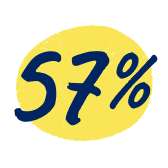
average reduction of heparan sulfate in CSF (n = 16)

of children (15 out of 16) maintained a ≥50% reduction in levels of heparan sulfate in CSF after 24 months
*
Average reductions in heparan sulfate in CSF were also captured at 6 months (74%) and
12 months (67%).
 MORE
WHAT IS FAYUVI™ (rebisufligene etisparvovec-hopf)?
FAYUVI is a prescription gene therapy used to treat the neurological (nervous system) symptoms of mucopolysaccharidosis type IIIA (MPS IIIA, Sanfilippo syndrome type A), in pediatric patients with preserved neurodevelopmental function.
IMPORTANT SAFETY INFORMATION
What is the most important information to know about FAYUVI?
- FAYUVI can increase certain liver enzyme levels. Liver function and medical history will be assessed prior to FAYUVI infusion. Patients will receive oral corticosteroid medication before and after infusion with FAYUVI and will undergo regular blood tests to monitor liver function. Contact the patient’s doctor immediately if the patient’s skin and/or whites of the eyes appear yellowish or if the patient misses a dose of corticosteroid or vomits it up. Do not use any medications, herbal products, or supplements without first confirming with the patient’s doctor that they are not harmful to the liver.
- Thrombocytopenia (low platelet count that can lead to an increased risk of bruising and bleeding) was observed typically in the first 2 weeks after FAYUVI infusion. Blood tests will be performed weekly for the first 4 weeks after the FAYUVI infusion then monthly for 6 months. Seek medical attention if unexpected bruising or bleeding occurs.
- Thrombotic Microangiopathy (TMA) (decreased platelets and red blood cells, acute kidney injury, and a higher risk of bruising or bleeding) has been reported with the use of AAV gene therapies. While there have been no cases of TMA associated with FAYUVI in clinical studies, patients should be monitored for signs and symptoms of TMA, with blood tests performed to assess platelet counts during the first 4 weeks after the FAYUVI infusion. Seek immediate medical attention if the patient experiences unexpected bruising or bleeding, seizures, or decreased urine output.
- Infusion reactions, including hypersensitivity reactions and anaphylaxis, may occur during and after infusion with FAYUVI. Patients will be monitored during and after FAYUVI infusion. If an infusion-related reaction occurs, the FAYUVI infusion may be paused, and additional medical treatment provided as needed. Symptoms may include low blood pressure, fever, rapid, strong, or irregular heartbeat, nausea, vomiting, chills, or headache. Immediately inform medical staff if the patient experiences these symptoms.
- Cancer may occur after AAV gene therapies like FAYUVI. If cancer develops, contact the patient’s doctor and Ultragenyx Pharmaceutical Inc. at 1-888-756-8657.
Are there any considerations for vaccination schedules and FAYUVI?
- Vaccines should be avoided 30 days before the FAYUVI infusion, before starting corticosteroids, and while on corticosteroid therapy.
What is important to know about pregnancy?
- FAYUVI should not be given during pregnancy. If a patient can become pregnant, a pregnancy test must show that the patient is not pregnant before treatment with FAYUVI.
Are there any precautions that need to be considered when handling a patient’s bodily fluids or waste?
- Temporary shedding of the vector that delivers FAYUVI may be found in patient bodily fluids or waste. Family members and caregivers should use proper hand hygiene, such as hand washing when coming into direct contact with patient bodily fluids or waste. To properly dispose of materials that may be contaminated with the patient’s bodily fluids or waste, place them in a sealed bag before discarding them in the regular trash. Precautions should be followed for 3 months after FAYUVI infusion.
What are the possible or likely side effects of FAYUVI?
The most common side effects that occurred in patients treated with FAYUVI were:
- Increased liver enzymes
- Vomiting
- Abnormal behavior
- Diarrhea
- Fever
- Decreased white blood cell count
- Cushingoid features (changes caused by high steroid levels such as rounded face, weight gain, or increased body fat)
- Decreased appetite
- Decreased platelet count
- Low red blood cell levels
- Constipation
- Nausea
- Increased digestive enzyme
- Increased alkaline phosphatase enzymes
- Seizure
- Enlarged liver
- Muscle stiffness or spasms
- Low potassium levels
- Difficulty walking or changes in balance
- Low adrenal hormone levels or adrenal gland problems
These are not all the possible side effects of FAYUVI. Contact the patient’s doctor right away if the patient experiences any side effects.
You are encouraged to report negative side effects of prescription drugs to the FDA.
Visit www.fda.gov/medwatch or call 1-800-FDA-1088. You may also report side effects to Ultragenyx Pharmaceutical Inc. at 1-888-756-8657.
Please see the full Prescribing Information for FAYUVI.